The Future Of Classic Baccarat In A Digital Casino Environment
16 August 2026 | 85
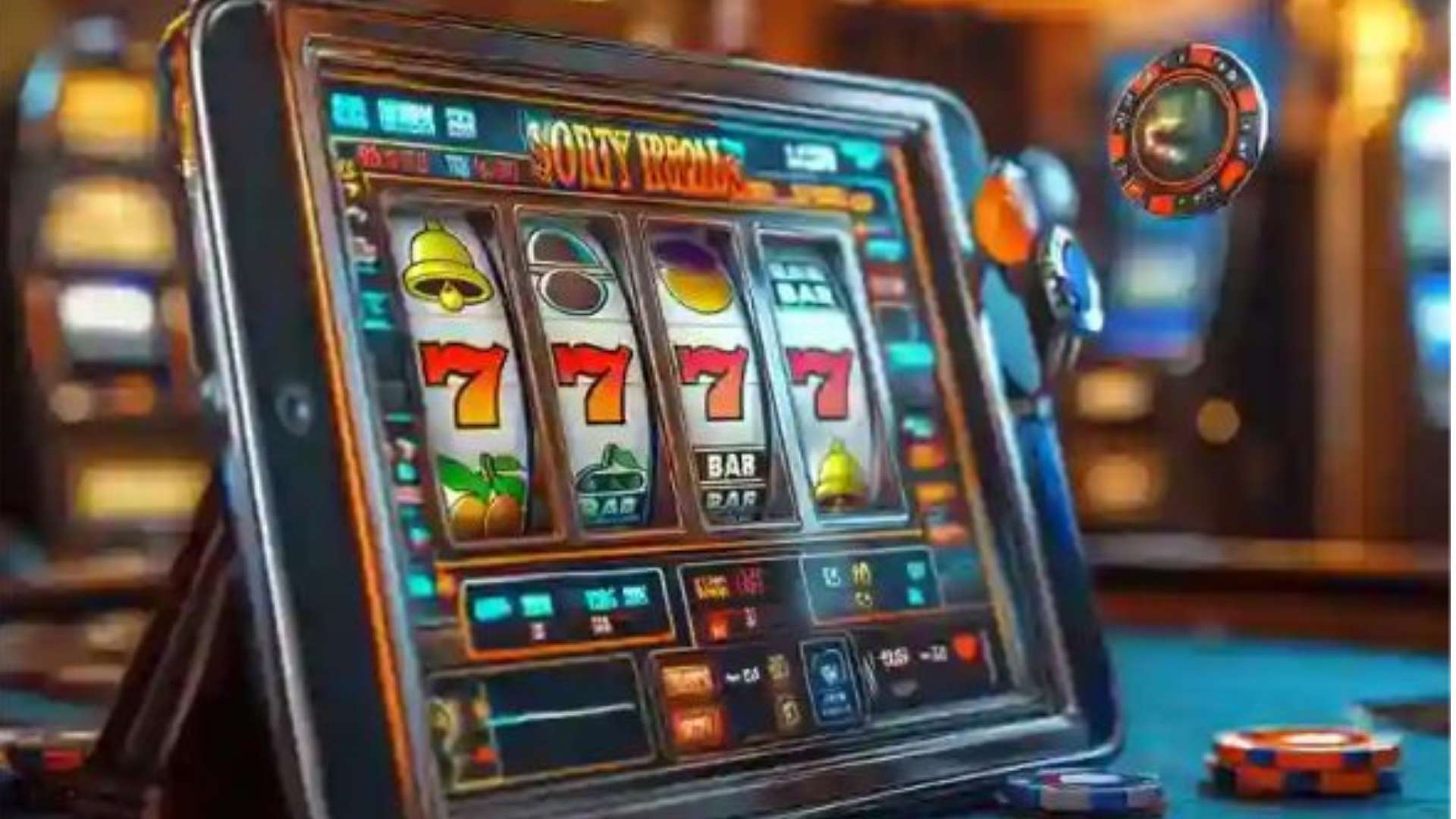
The transition of traditional table games into modern virtual spaces has fundamentally transformed how players engage with classic casino entertainment. As digital innovation redefines the boundaries of interactive play, historic card games are finding new ways to preserve their sophisticated legacy while embracing automation. Examining this shift reveals how modern platforms balance historical design with contemporary convenience.
The Digital Preservation of Classic Table Layouts
Virtual software solutions have successfully recreated the atmospheric tension that once defined elite European gaming rooms. Contemporary systems utilize advanced visual streaming to replicate physical felt layouts and traditional dealing equipment directly on remote personal devices. This meticulous attention to detail ensures that the core mechanics remain intact even as physical gathering spaces become optional.
Furthermore, specialized camera configurations allow participants to monitor card distribution with complete structural clarity. This transparent presentation builds immense trust among enthusiasts who transition from brick and mortar venues to digital environments. By combining high definition video with secure server infrastructure, operators maintain the elegance of traditional formats without compromising operational speed.
How Automated Systems Enhance Transaction Management
The implementation of real time processing has drastically simplified the administrative side of managing complex card sessions. In older variants, tracking physical stakes and collecting commissions required considerable manual oversight from specialized dealer teams. Modern platforms completely eliminate these temporal delays by automatically calculating totals and settling wagers instantly.
This increased transactional velocity allows enthusiasts to focus entirely on table strategy rather than mathematical upkeep. Individuals looking for sophisticated variants can visit an interactive platform like m88 to explore how these algorithmic systems function in real time scenarios. The combination of automated platform services and classic rules creates a highly efficient environment for long term engagement.
The Emergence of Interactive Live Dealer Innovations
The most compelling development within the virtual ecosystem is the widespread integration of professional live streaming technology. Instead of interacting solely with random number generators, participants now share a digital space with real human croupiers. This hybrid configuration successfully bridges the spatial gap between solitary internet play and dynamic social connection.
Integrated chat structures also allow players to share tactical observations and celebrate outcomes collectively during a live session. This community element prevents the game from feeling isolated, preserving the interactive spirit that originally popularized classic card salons centuries ago. As video communication technology continues to improve, these personal interactions will become even more seamless.
Predicting Long Term Evolution in Virtual Entertainment
The future of traditional card games relies heavily on how developers leverage immersive software solutions like virtual and augmented reality. Future updates may soon allow players to walk through fully rendered historical rooms and interact with physical tables using gestural tracking controls. This technological evolution will likely attract a completely new demographic of tech savvy strategic enthusiasts.
Ultimately, the continuous adaptation of baccarat demonstrates the timeless appeal of its foundational single digit mathematical design. While the platforms and user interfaces will inevitably change, the core tension of the draw remains a global favorite. Embracing these technological updates ensures that classic card traditions survive and thrive for generations to come.